
Witness leads where women rarely have a seat
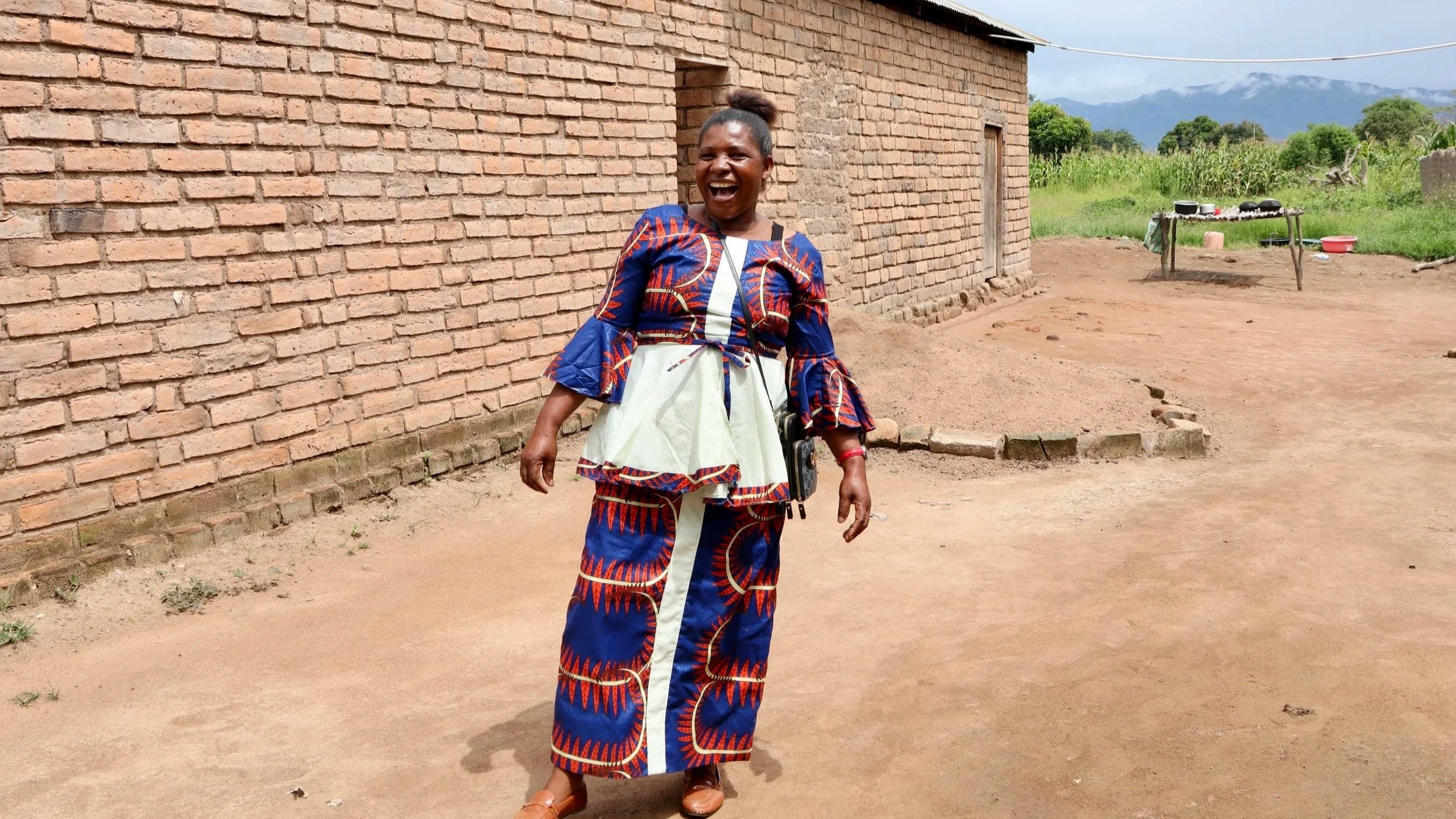
As chair of a farmer owned company, Witness holds a position few women in Tanzania have. In a sector where leadership roles are still dominated by men, she has gained a role that gives her real influence. Combined with her work on her own farm and her leadership of several women’s groups, she has become a role model for other women.
Witness is 40 years old and lives in Mbarali. She has been part of the farmer owned company MTC since its early days, and when a new board was to be elected, she was chosen as chair. Ahead of several male candidates.
“I am very proud. This is our company. We built it together from the beginning,” she says.
For Witness, the role of chair has meant more than a new title. It has changed how she sees herself, and how others see her.
“It has led to major changes in my life, both personally and in how I am treated in the community,” she says.
Women learn from each other
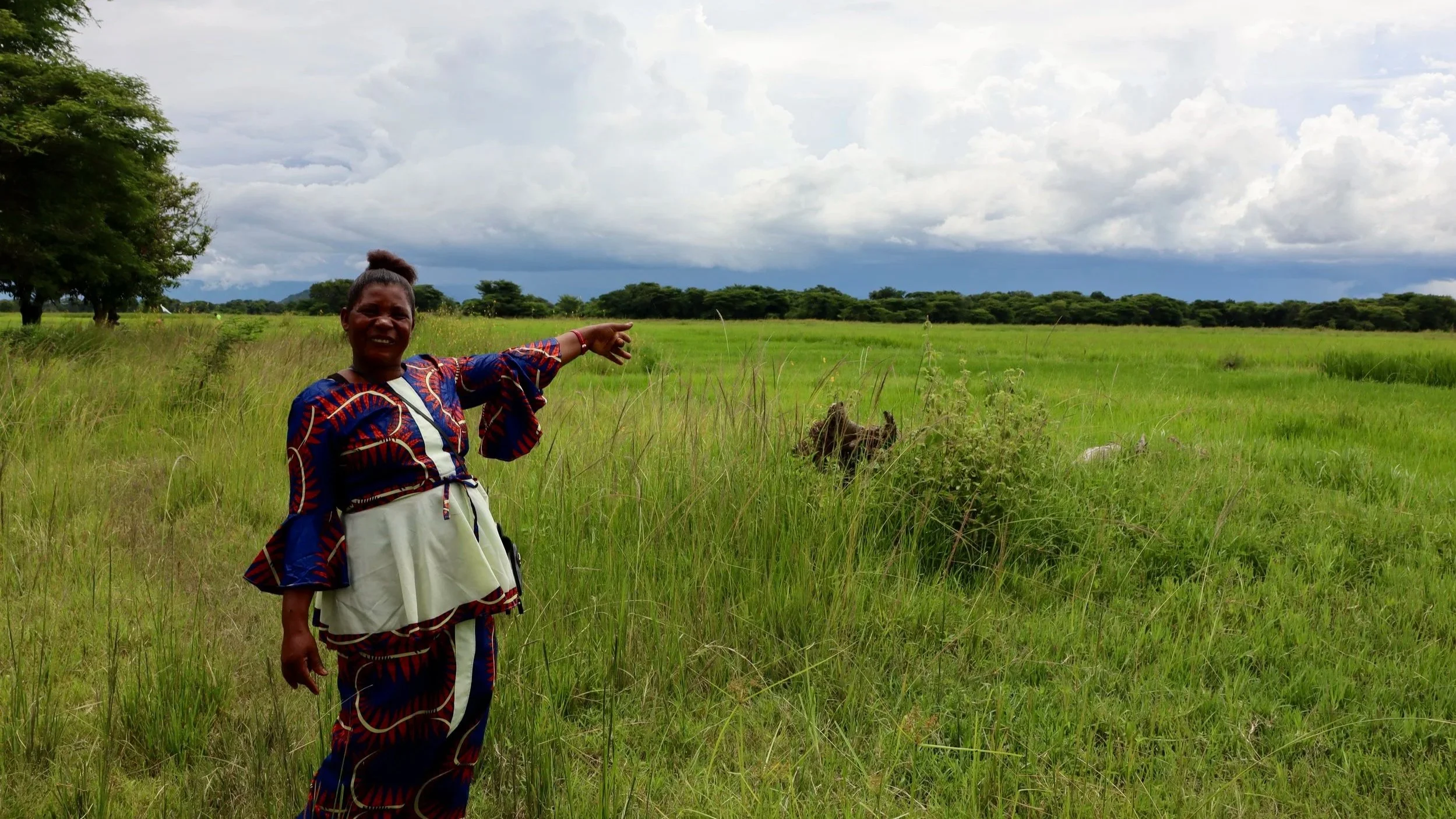
As a female leader, Witness has become an important role model. In addition to being chair of the company, she leads five different women’s groups in her community, and many women come to her for advice.
“They come to my home to ask questions and to learn. It means a lot to them that a woman is leading,” she says.
She is clear about one thing. Without women, food production would stop.
“Women do an enormous amount of the work. Without women, men would be completely exhausted. We have strength, knowledge and determination,” she says.
Independent income means real freedom
For Witness, gender equality is also about economic independence. Today, she manages her own rice fields alongside her work in the company, by choice.
“If I depend only on my husband for money, I cannot always take part. When I have my own income, I can make decisions myself, contribute to the company and invest in the women’s groups,” she explains.
Having her own income makes it possible to buy more shares in the company, contribute to joint projects, and to take an active part in the decision making, without having to ask for permission.
“That is why this company means so much to me. It gives women the opportunity to stand on their own feet,” she says.
Gender equality also strengthens families
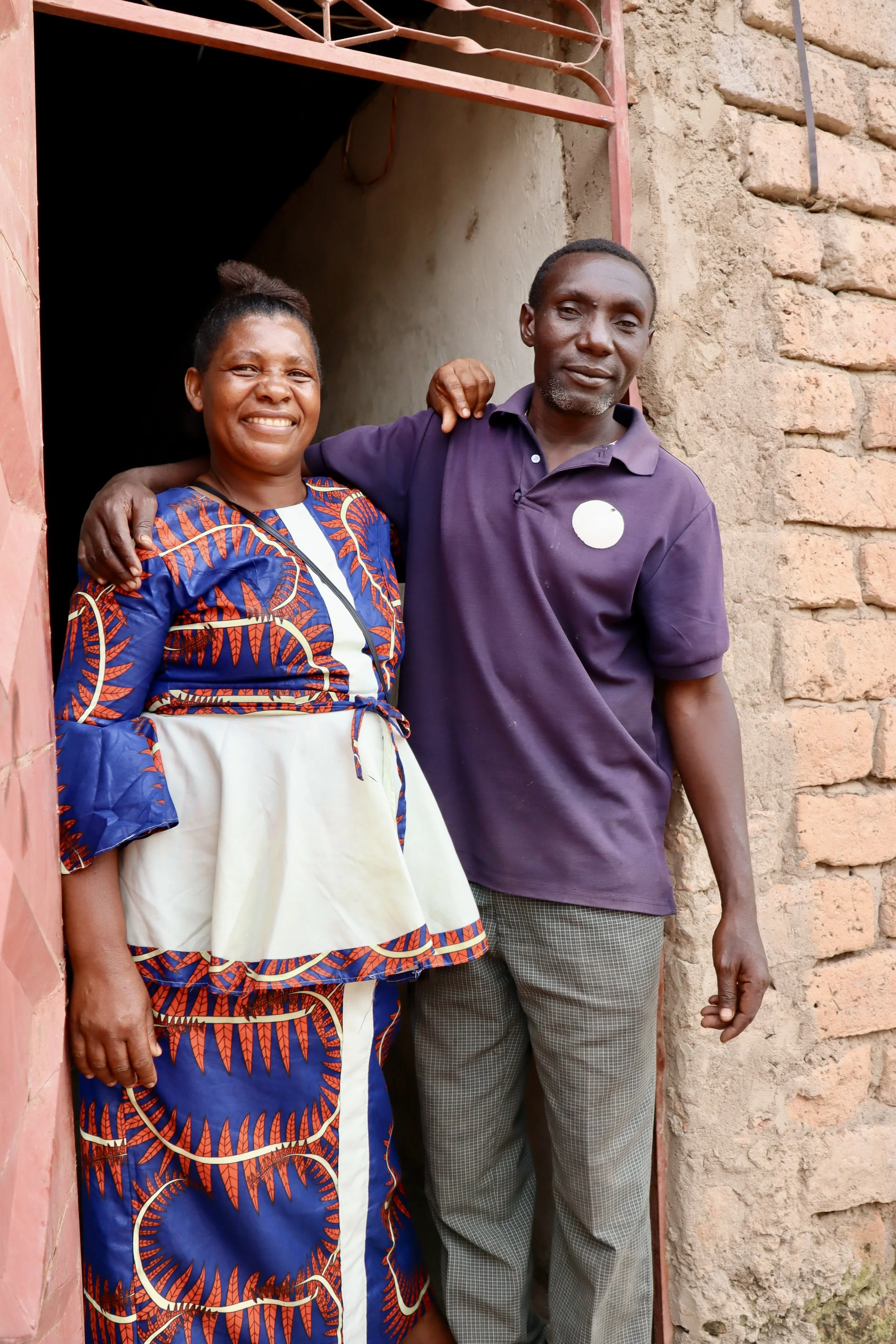
It is not only women who benefit. Witness explains that her relationship with her husband has also changed.
“He sees the results. He sees the income, the knowledge and the responsibility I take. Now he trusts me and supports me,” she says.
At the same time, she is clear that this does not happen automatically.
“That is why training in gender equality is so important. Not only for women, but also for men,” she says.
Women in leadership lead to better decisions
Today, the company’s board consists of both women and men. Witness believes this is crucial.
“We think differently, and that is a strength. When women and men make decisions together, the company becomes stronger,” she says.
She is clearly proud of having been elected chair in a male dominated board.
“It shows that women can lead. And that others see it too,” she says.
Food is gender equality
Witness’s story shows why food is more than food.
When women gain knowledge, access and leadership roles in food production, families, communities, and economies are strengthened.
“This is not just about rice. It is about dignity, opportunities and the future,” says Witness.
When we invest in food, we also invest in gender equality.