
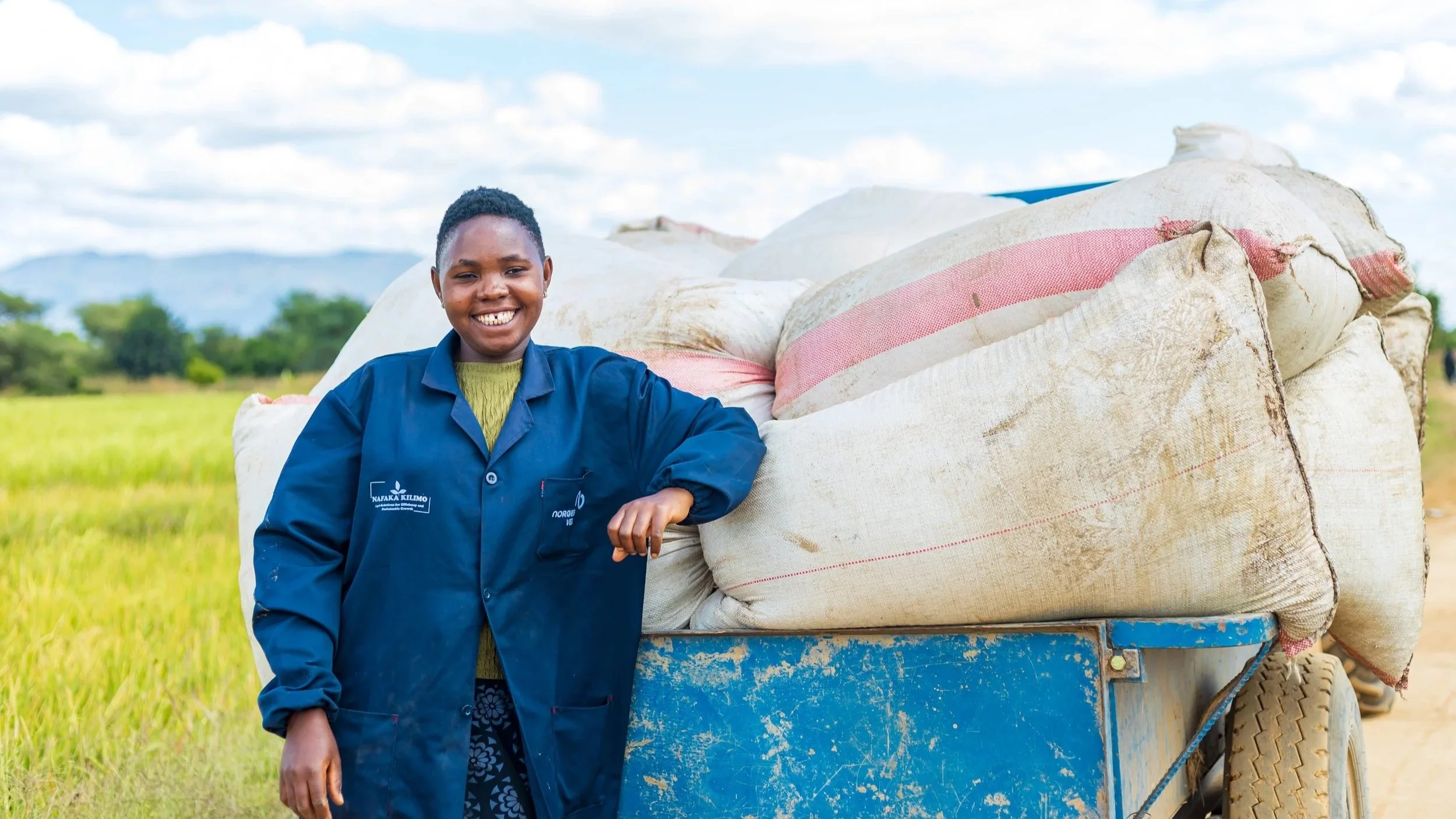
Lenata is doing what few young people in Tanzania do. She works in food production.
Tanzania is undergoing a demographic shift. The UN estimates that the country has one of the fastest-growing youth populations in the world, and more than 44 percent of its citizens are under the age of 15. At the same time, access to jobs is limited, and many young people struggle to earn their own income.
Yet an enormous opportunity lies ahead: food production.
The sector forms the backbone of Tanzania’s economy — and with the right support, knowledge and equipment, farming can become a modern, profitable industry for young people.
For Lenata (25), this became the doorway to a completely new direction in life.
A youth group opened the door to a new future
When Lenata joined one of the youth groups supported by Norges Vel, she was introduced — for the first time — to agriculture as a business. Through training in climate-smart rice production, group organisation and basic enterprise management, she gained a new understanding of what agriculture can be.
“I learned that farming isn’t just for having food at home. It can create income and development. It made me believe that I could run something of my own too,” says Lenata.
A win win situation
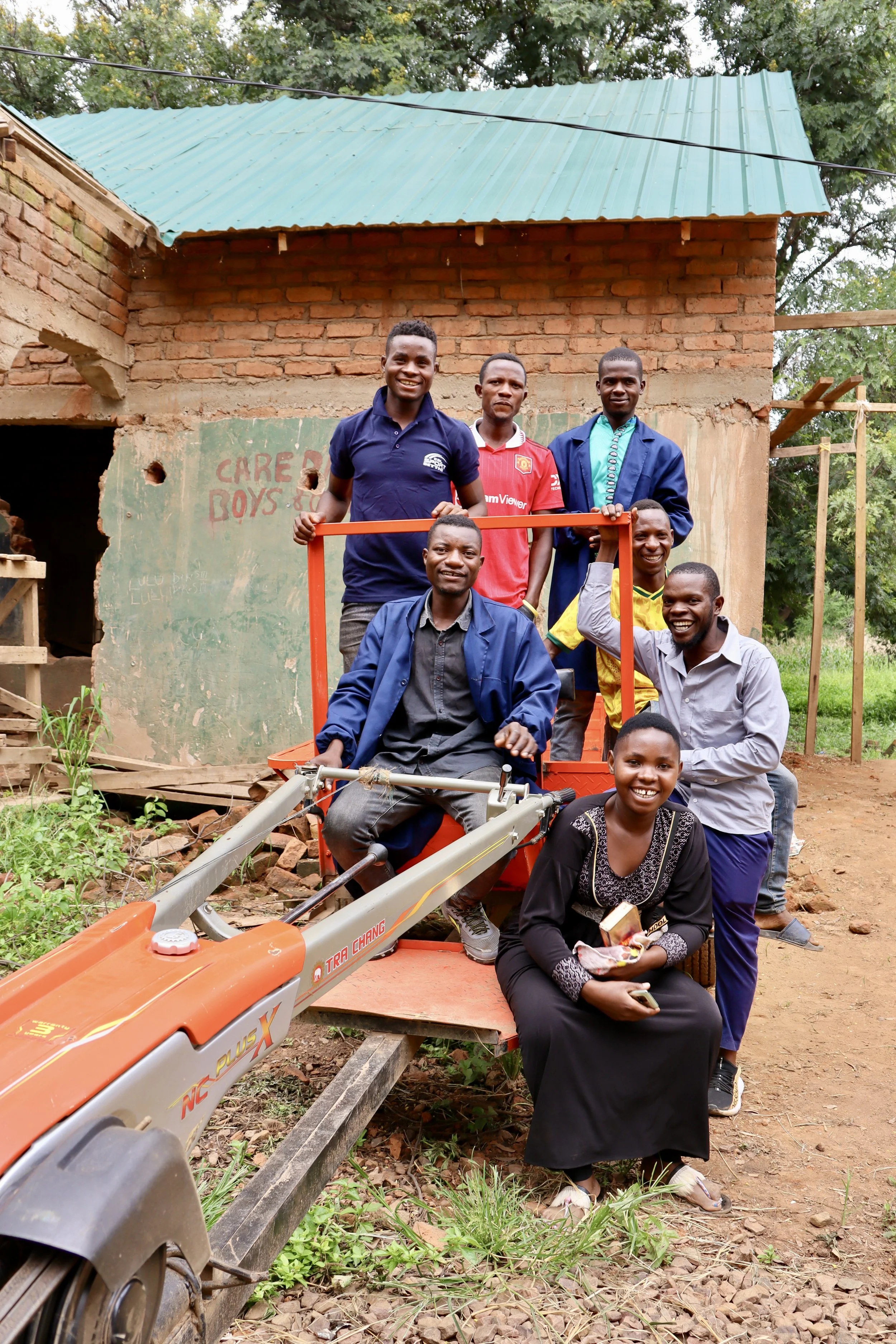
In the youth group, Lenata has gained access to both knowledge and equipment, such as a two-wheel tractor and a paddy planter.
This makes it possible for the group to run their own farming more efficiently, while also offering services to other farmers in the village who otherwise would not have access to the same machinery or modern techniques. Many of their customers are women and small-scale farmers.
“When we use the tractor on other people’s farms, they get better harvests and we earn an income. It’s a good cycle,” says Lenata.
In practice, the young people become both rice producers and providers of agricultural services — as well as local advisors in modern farming.
Mama Ntilie: Entrepreneurship on her own terms
After learning more about income opportunities in agriculture — and gaining experience in organising work and finances through the youth group — she felt ready for the next step.
She started her own small food stand, Mama Ntilie, where she sells warm, local meals.
“I gained confidence. When I realised I could help run the youth group like a small business, I understood that I could also start something on my own,” she says.
The food stand provides her with an additional source of income and has become an important supplement to her agricultural work.
Opportunities instead of limitations
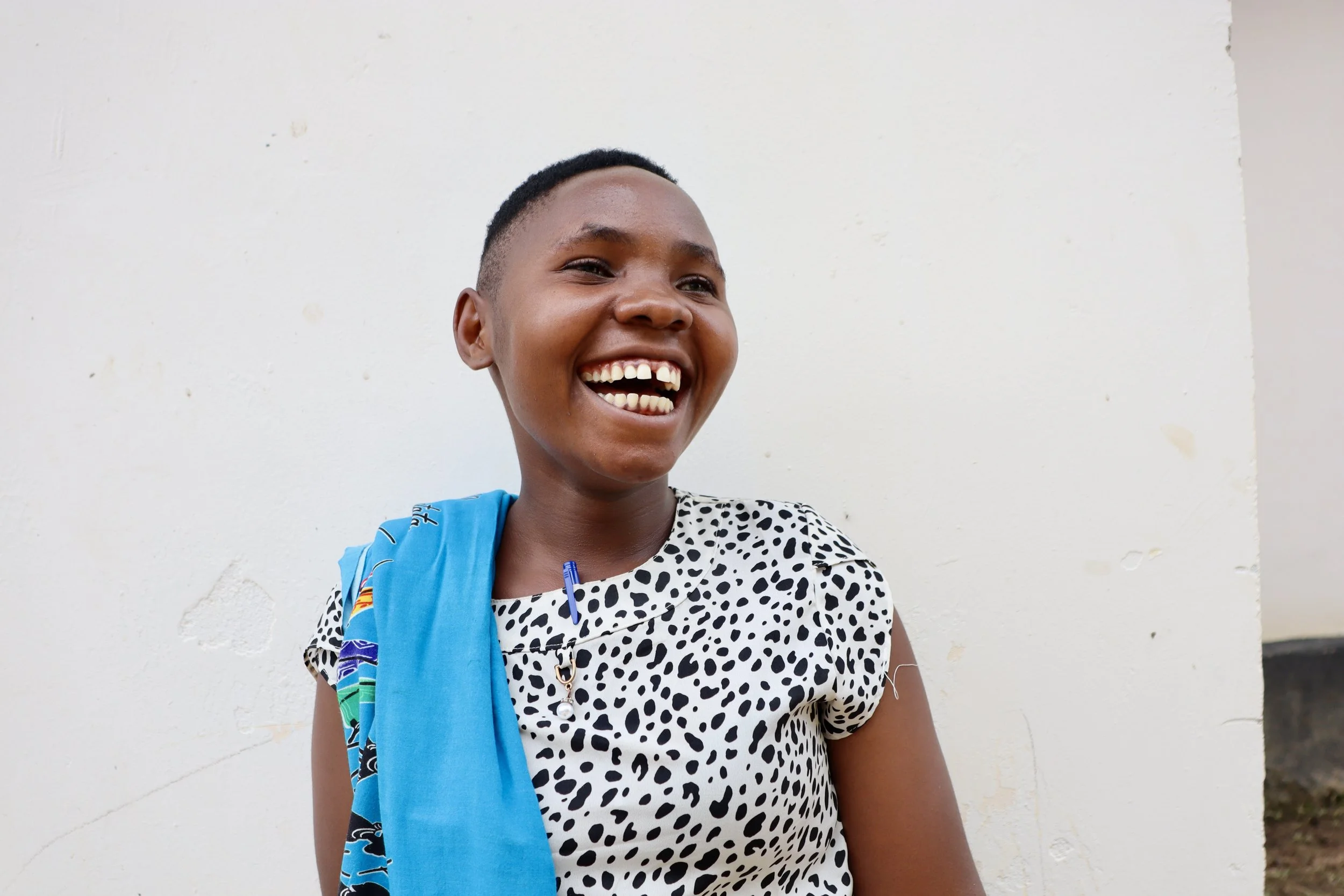
For Lenata, this is no longer just about rice or production. It is about opportunity, work, learning and economic independence.
“I’m excited for the next season. I want to grow more and develop both the group and my own food business. I know I can make it happen,” she says.
And then she adds, smiling:
“Come back in a year. I’ll show you how far I’ve come.”
And a few years later, the results speak for themselves.
Lenata has now bought a small farm of her own, where she grows rice as a business, adding to her income and strengthening her work with the youth group.