
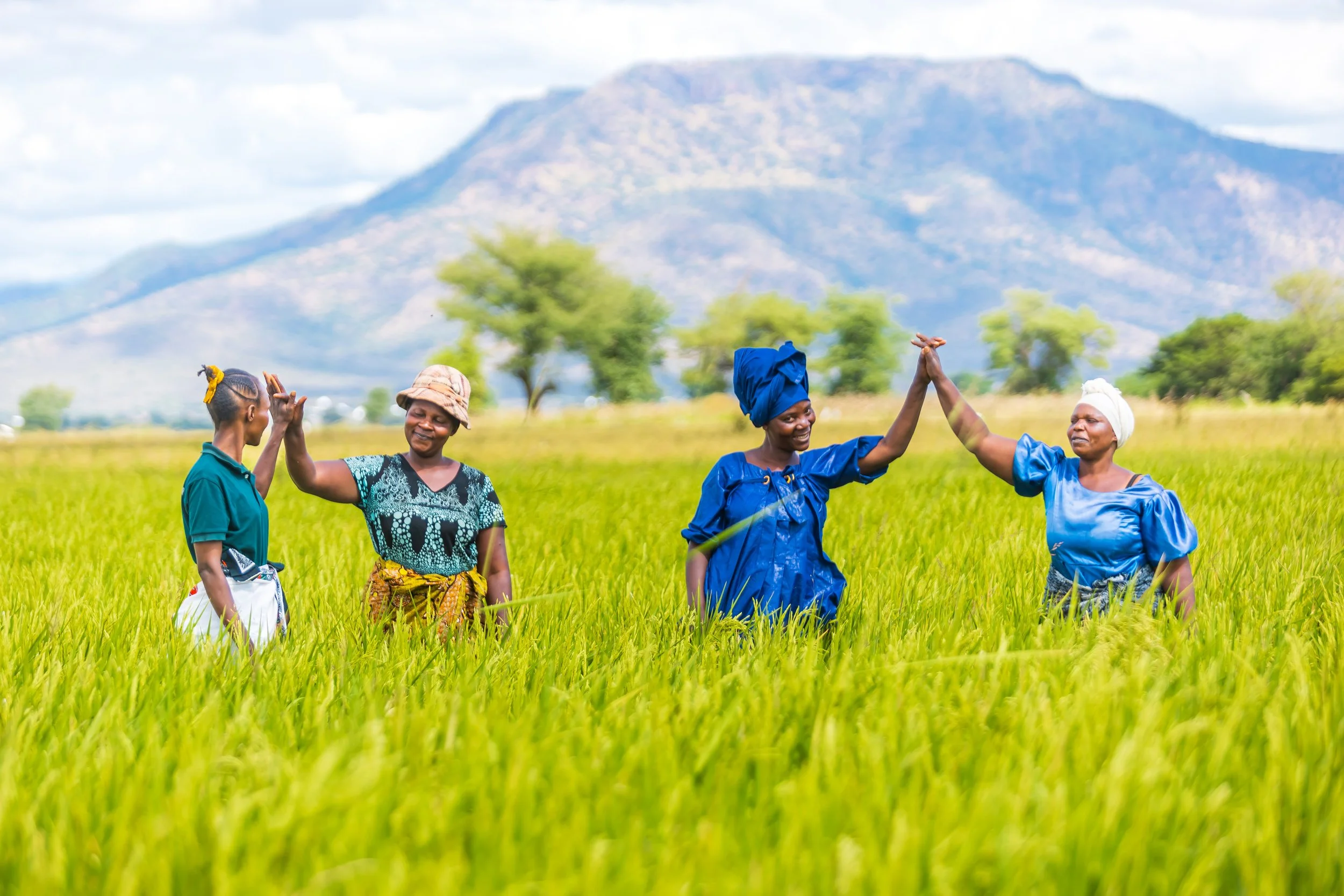
Norges Vel has worked in Tanzania since 2007, with a strong focus on strengthening the country’s rice sector. For nearly two decades, we have supported small-scale farmers, farmer-owned companies, local authorities and private-sector partners to build a more competitive, profitable and sustainable rice value chain.
From improving production and market access to promoting climate-smart farming, our work helps farmers move from subsistence to commercial production—creating higher incomes, stronger local markets and better food security. Because food is more than food: it means jobs for families, education for children, health for communities, and resilience for the future.
Why we work in Tanzania
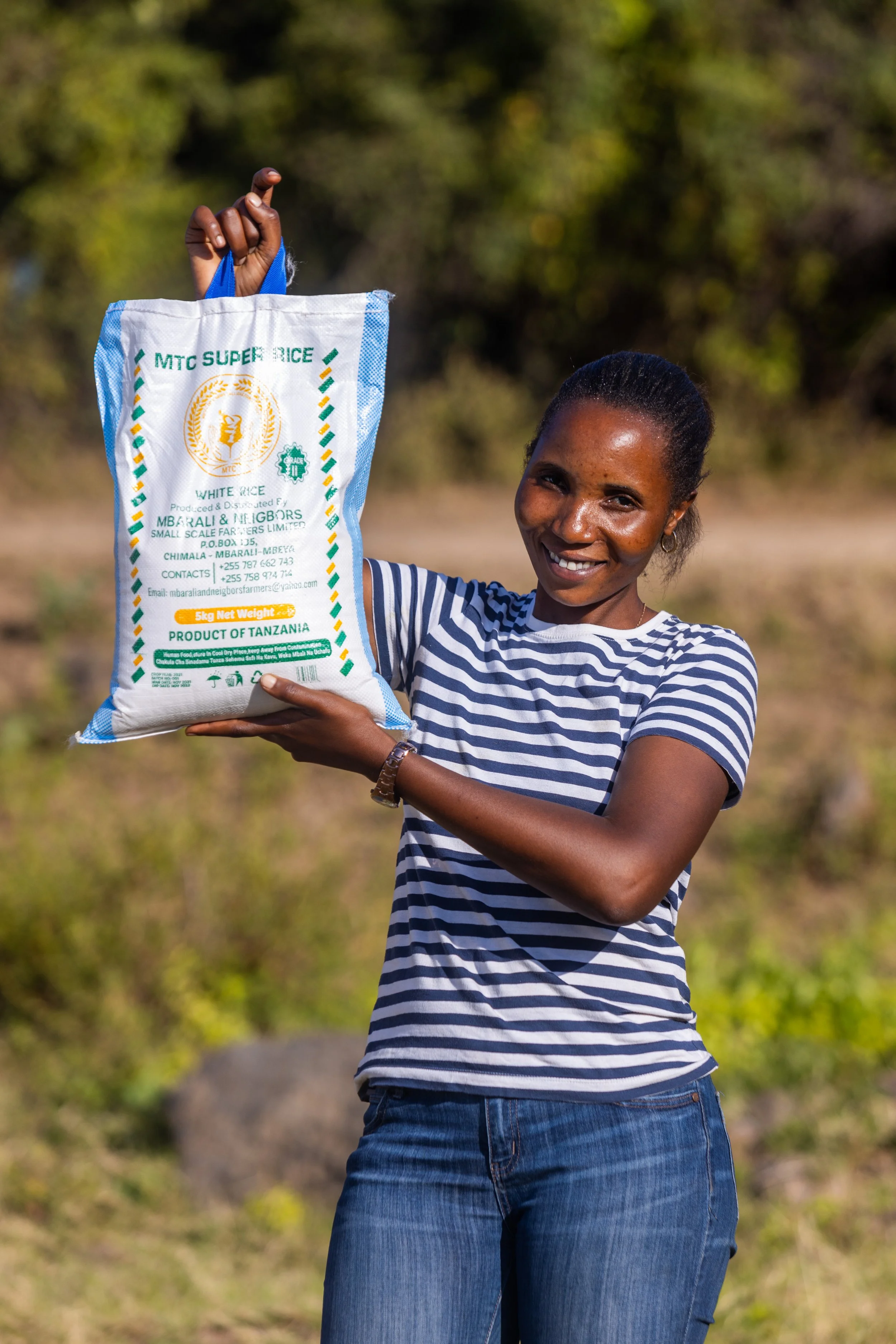
Tanzania is one of East Africa’s largest rice producers, and rice remains central to household food security and the national economy. Yet, small-scale farmers face persistent challenges low productivity, limited access to finance, and competition from imports.
We believe that long-term investment in cooperative development, climate-smart agriculture and market linkages is essential for a thriving food system.
That is why Norges Vel is committed to supporting farmers, women, and youth to move from subsistence to commercial production.
What we do
Our work spans multiple sectors to create lasting impact. We combine capacity building, business development and strategic partnerships to create lasting impact for farmers and their communities.
We implement projects and collaborate with partners across Tanzania to deliver impact on:
We work to transform Tanzania’s rice sector by enhancing productivity, improving quality, and strengthening local processing through climate-smart farming and better market access.
Our approach includes:
Promoting climate-smart agricultural practices to boost yields and resilience against climate change.
Strengthening farmer-owned companies and producer groups to increase bargaining power and profitability.
Empowering women’s groups and youth enterprises with training, resources, and access to land and inputs for inclusive growth.
Cooperative Strengthening and Development (COOP)
Strengthening agricultural cooperatives and farmer organisations to enhance bargaining power, governance, and profitability.
Includes women-only cooperatives and leadership training for gender equality.
Advocacy for improved cooperative laws and policies.
Collaborating with local authorities and universities to influence agricultural and cooperative policy reforms.
Tilapia Aquaculture
Supporting small-scale fish farming in Morogoro to diversify livelihoods and enhance nutrition.
Through these efforts, we help build a more inclusive, sustainable and market-oriented food system in Tanzania.