Food is health
Food is more than nutrition. Food is the foundation of good health.
How food is produced, who has access to it, and the income it generates all have a direct impact on health for individuals, families, and entire communities.
Stable access to safe food improves health
When people have stable access to safe food, immune systems are strengthened and the risk of disease is reduced. Children have better conditions for growth and development, and adults are better equipped to cope with illness and long term physical strain.
Income from food enables access to healthcare
Food is not only about what is eaten. It is also about income and economic security. When families earn an income from food production, they can afford doctor’s visits, medicines, and preventive healthcare.
Our experience from development projects shows that when women have their own income, they prioritise health, nutrition, and their children’s needs. In this way, food production creates positive ripple effects far beyond the meal itself.
Local food systems are preventive healthcare
When food is produced locally and creates employment, communities become more resilient. Local food systems provide stable access to food, more secure incomes, and reduced vulnerability to crises.
Food production therefore does more than meet immediate needs. It helps prevent disease and strengthens public health over time.
Food is health. In practice.
Health is not created by the healthcare sector alone. It is also created through safe food, income, and functioning food systems.
That is why food is more than food. Food is health.
What does this look like in practice?
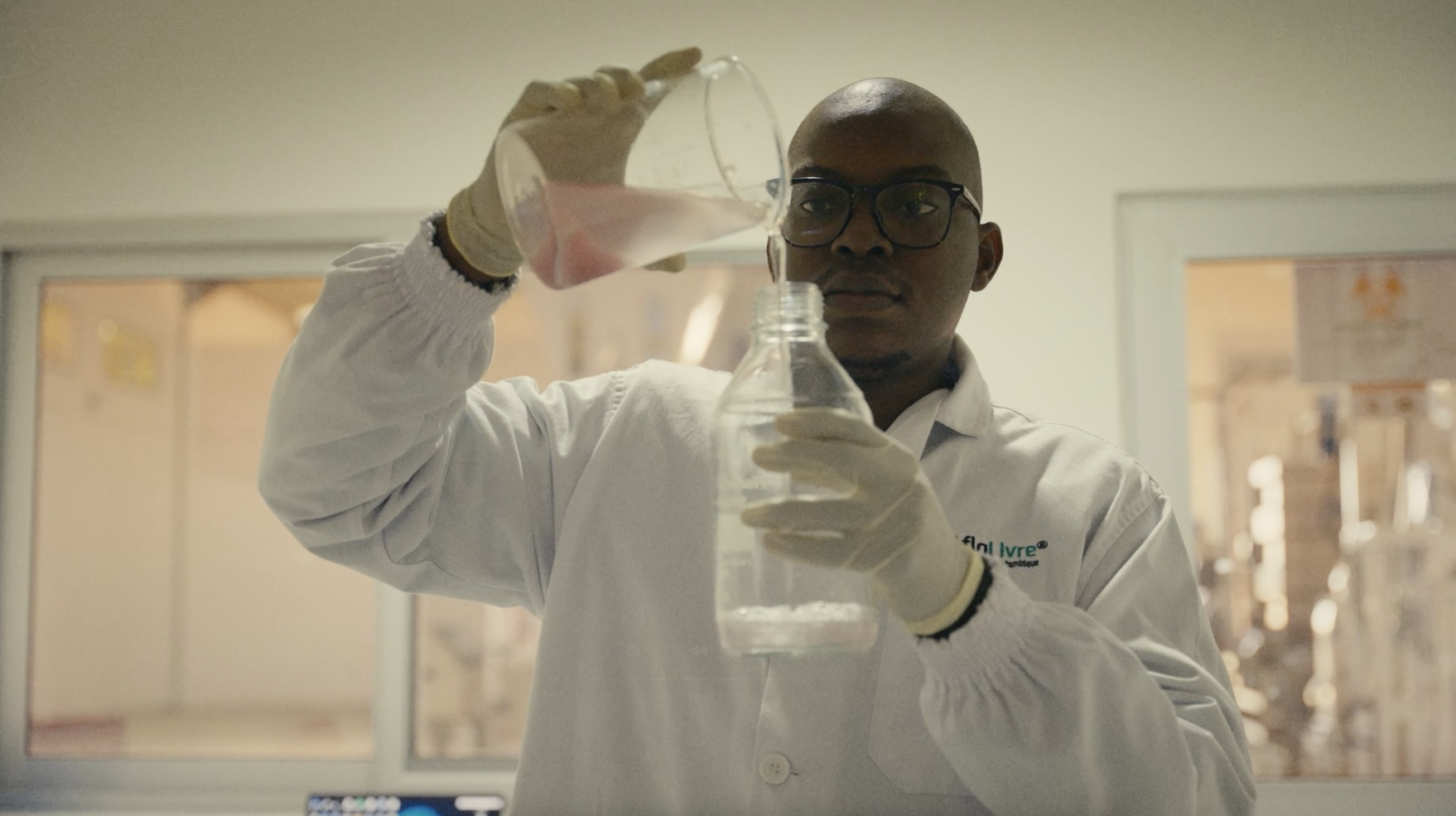
In Mozambique, targeted efforts are underway to make food safer before it reaches the plate. By preventing aflatoxin contamination in food production, an invisible but serious health risk is reduced, with direct benefits for public health.