
How Safe Food Improves Health and Market Access
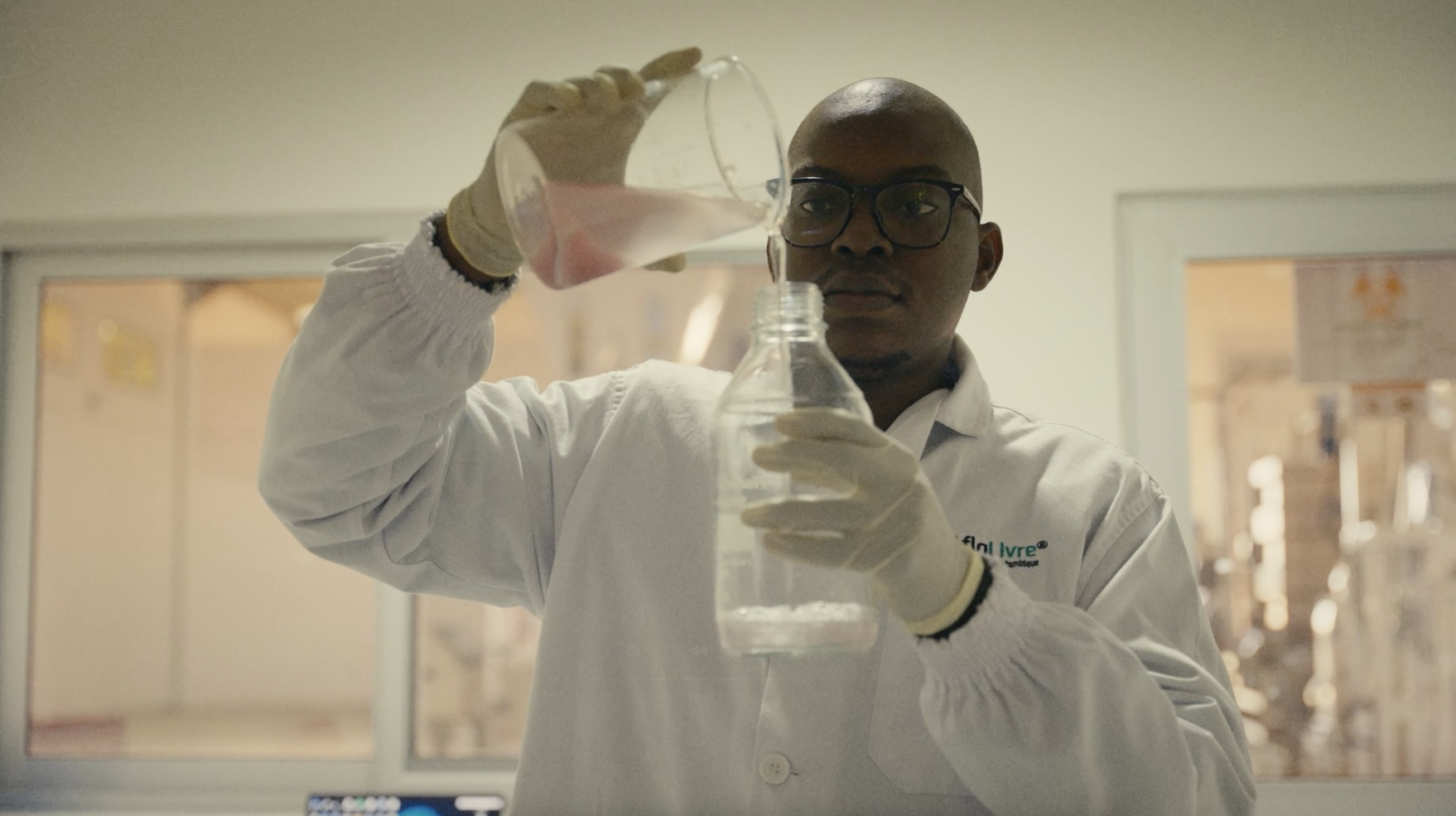
Aflatoxins are among the most serious yet least visible health threats in food production. They can be found in everyday foods such as maize and groundnuts without being seen, smelled or tasted.
In Mozambique, systematic efforts are now underway to reduce this risk. The solution does not start in the kitchen, but in the field.
An invisible threat in food
Aflatoxins are toxic substances produced by the fungus Aspergillus flavus, which thrives in warm and humid conditions. The toxins infect food crops through the soil and, if not prevented, remain present in the crops even after harvest. Consuming food contaminated with aflatoxins can damage the liver, weaken the immune system and increase the risk of serious illness. Children are particularly vulnerable, as exposure can also lead to stunted growth and reduced resistance to infections.
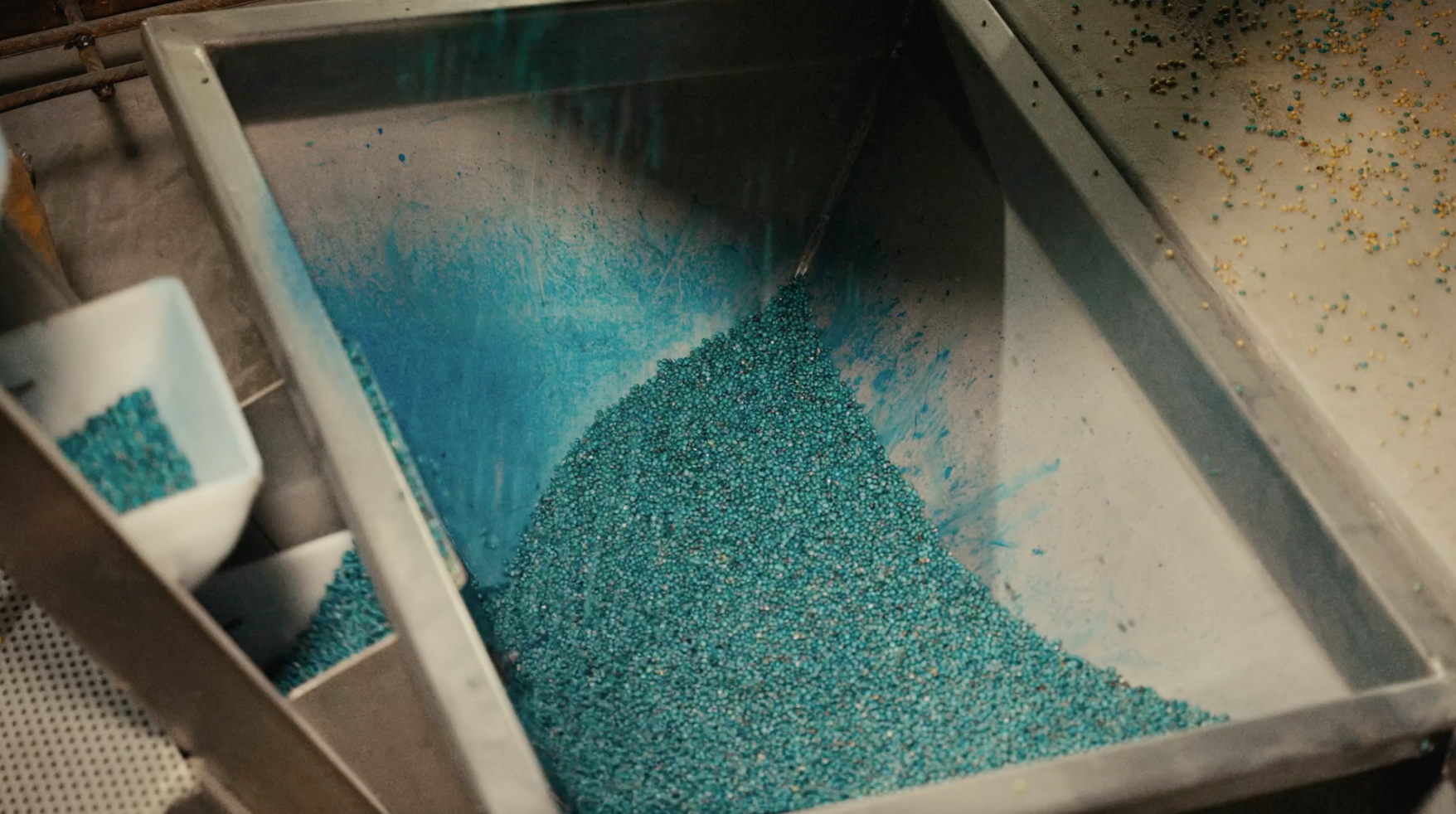
In Norway, all food is tested before it reaches store shelves. In Mozambique, the situation is different.
Libania Felizardo is the Managing Director of AflaLivre, the company producing Aflasafe in Mozambique. Through her work, she follows how the prevention of aflatoxins functions in practice, from interventions in the field to safer food for consumers.
“We are fighting something that cannot be seen, smelled or tasted. That is exactly what makes it so difficult. For farmers in Mozambique, who lack the equipment and methods to detect aflatoxins, the challenge becomes even greater,” she says.
Prevention starts in the field
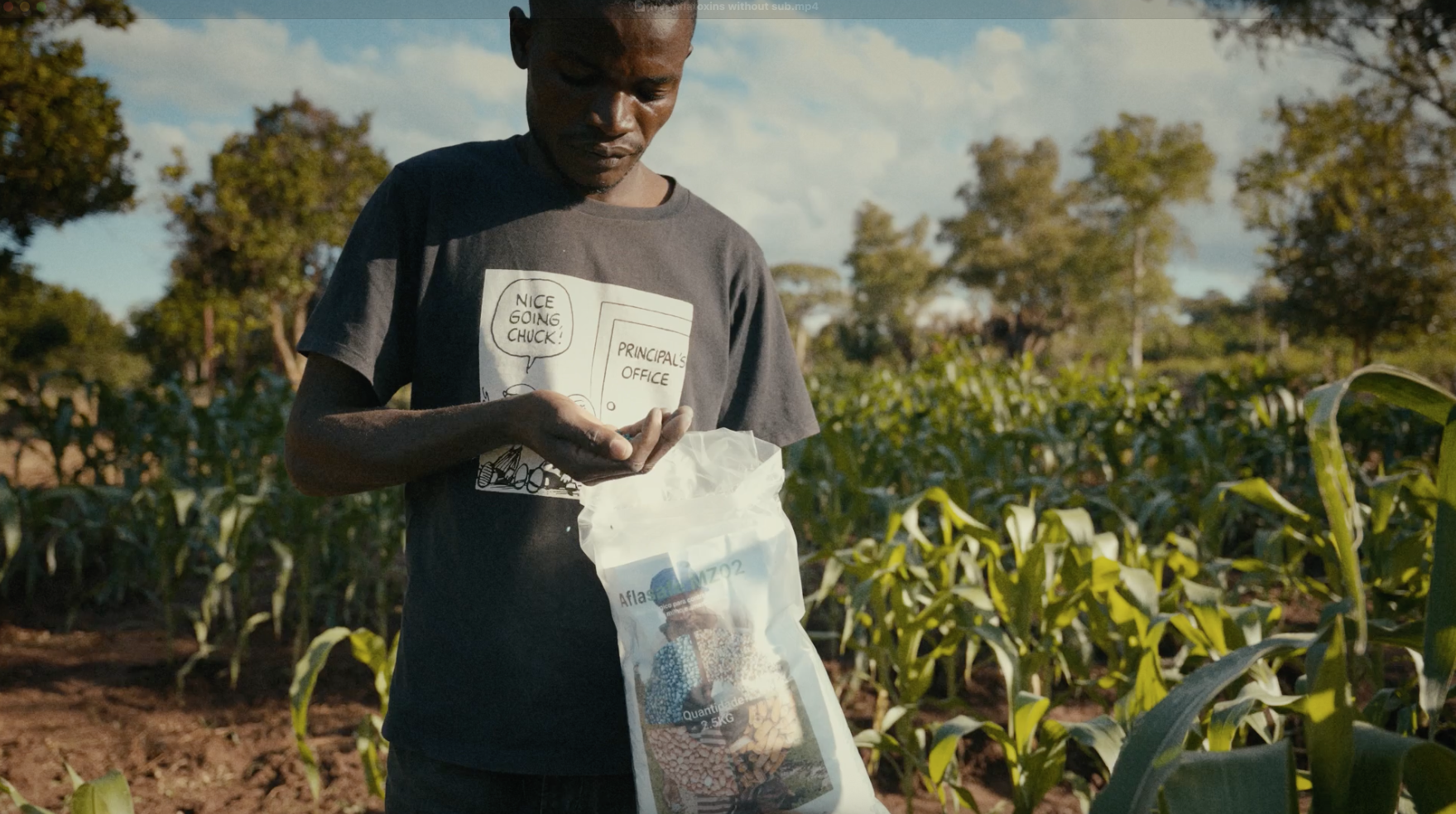
The solution begins before the food is harvested. Aflasafe is a biological plant protection product based on fungal spores that is used preventively in the field to stop the formation of the toxin aflatoxin in food crops. It contains natural, harmless strains of the same fungus that would otherwise produce aflatoxins.
When Aflasafe is applied to the soil, the harmless fungal strains establish themselves and outcompete the toxin producing strains. As a result, aflatoxin levels in the harvest can be reduced by up to 95 percent.
“Aflasafe is easy for farmers to use. They spread the granules by hand directly onto the soil in the field, and nature takes over from there. The beneficial fungal strains establish themselves in the soil and push out the harmful ones. For small scale farmers in Mozambique, this means they can protect their crops without advanced equipment. One simple step that makes food safer,” says Libania.
Local production enables local access
In Nampula, Mozambique, Aflasafe is produced locally by AflaLivre, a company established by Norges Vel. This makes the product more accessible to farmers across the country and allows distribution to be adapted to local conditions.
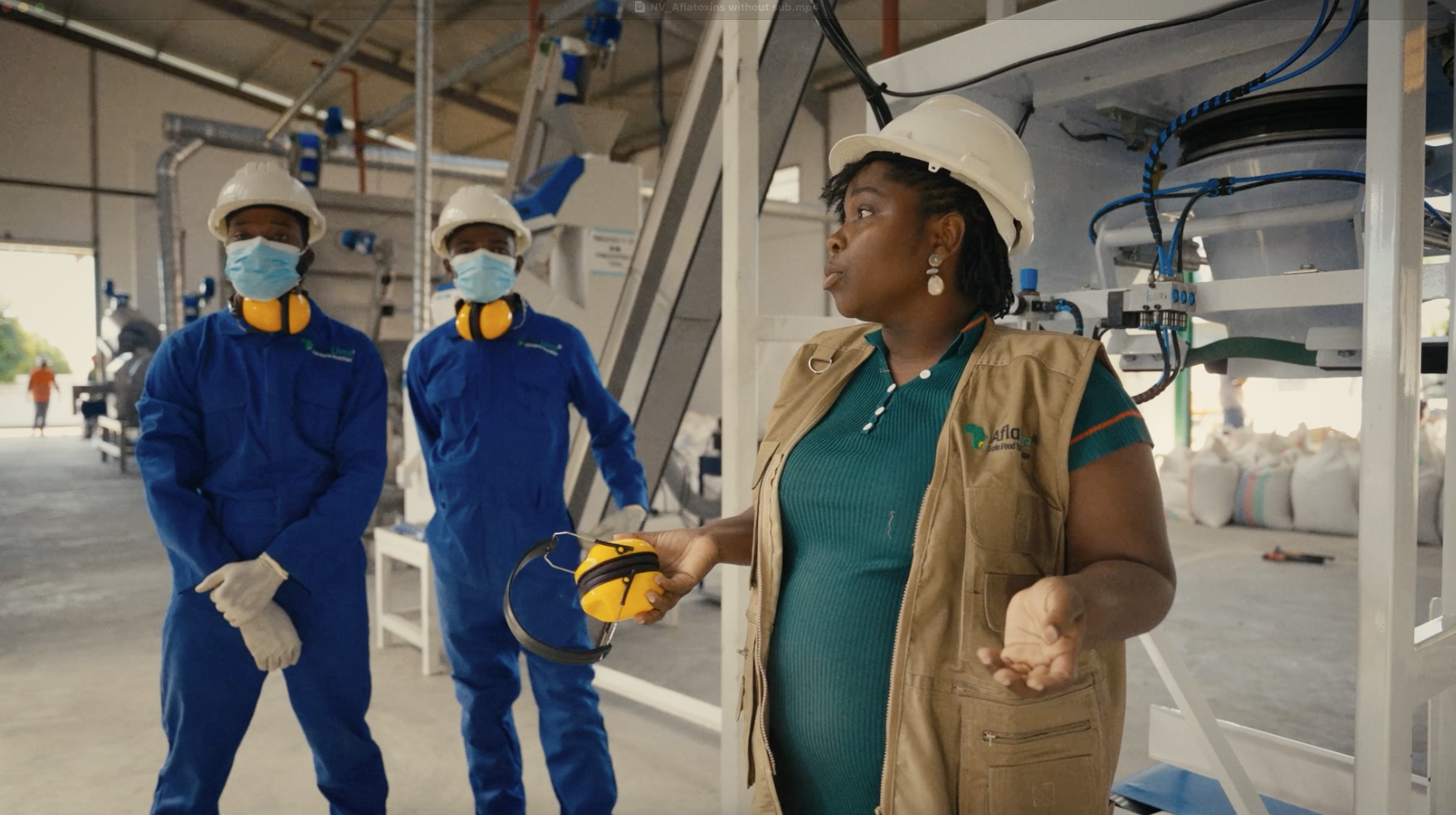
“When Aflasafe is produced locally in Nampula using fungal strains adapted to Mozambican conditions, farmers receive a product that is both more effective and easier to access. The short distance from production to market improves availability, reduces costs and ensures that small scale farmers can quickly adopt a solution that leads to safer crops and better market opportunities,” Libania explains.
Production takes place in collaboration with research institutions, agricultural organisations and local partners, and is part of a long term effort to reduce aflatoxins in the food system.
Safe food also provides safer income
The health benefits do not stop at the plate. When food is safe, it can also be sold in larger and more demanding markets.
«In Mozambique, we have seen farmers lose entire harvests because buyers reject their produce due to aflatoxin contamination, especially in groundnut production.»
«AflaLivre is not just producing Aflasafe. We are helping Mozambique take an important step. From being a country whose agricultural products are rejected in international markets to one that can supply safe and certified food.»
For Libania, he work goes beyond market access.
«As an Mozambician and Managing Director of AflaLivre, I see this work as more than a business. It is a responsbility to our children, our farmers, and the future of our country.»