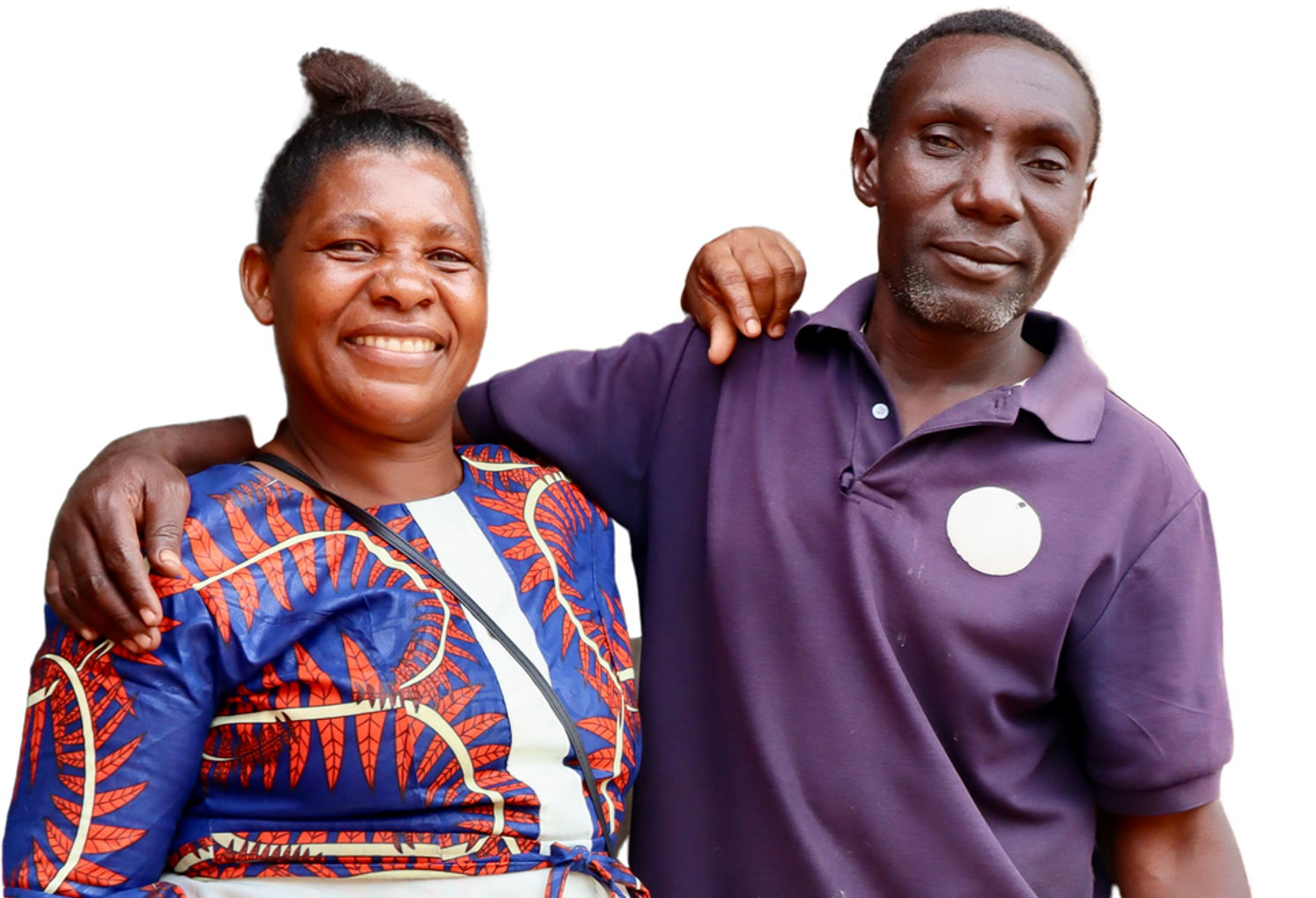
Where food is grown, equality takes root.
When food grows, opportunities grow too.
Food is about more than what ends up on the plate.
Food is about equal opportunities and who gets to take part.
When we invest in food and food security, we also invest in gender equality.
In many parts of the world, women produce the food, yet they have far less access to the resources, income and decision making that come with it.
Globally, women are more exposed to food insecurity than men, and the gap has widened in recent years. Women often work in the most labour intensive parts of food systems, but are less represented where value is created and decisions are made.
When women have the same opportunities in agriculture as men, food security, economies and local communities are strengthened. That is why investing in food is also an investment in gender equality.
Women carry the food systems
Women account for a large share of food production in low and middle income countries. In sub Saharan Africa, around 66 percent of all employed women work in the food and agricultural sector. At the same time, women face systematic barriers, including limited access to land, credit, training, technology and markets. The result is lower yields, lower income and less influence.
According to FAO, the number of people suffering from hunger worldwide could be reduced by up to 100 to 150 million if women had the same opportunities in agriculture as men. Efficient and sustainable food systems depend on women being able to realise their full potential as producers and entrepreneurs.
From production to influence
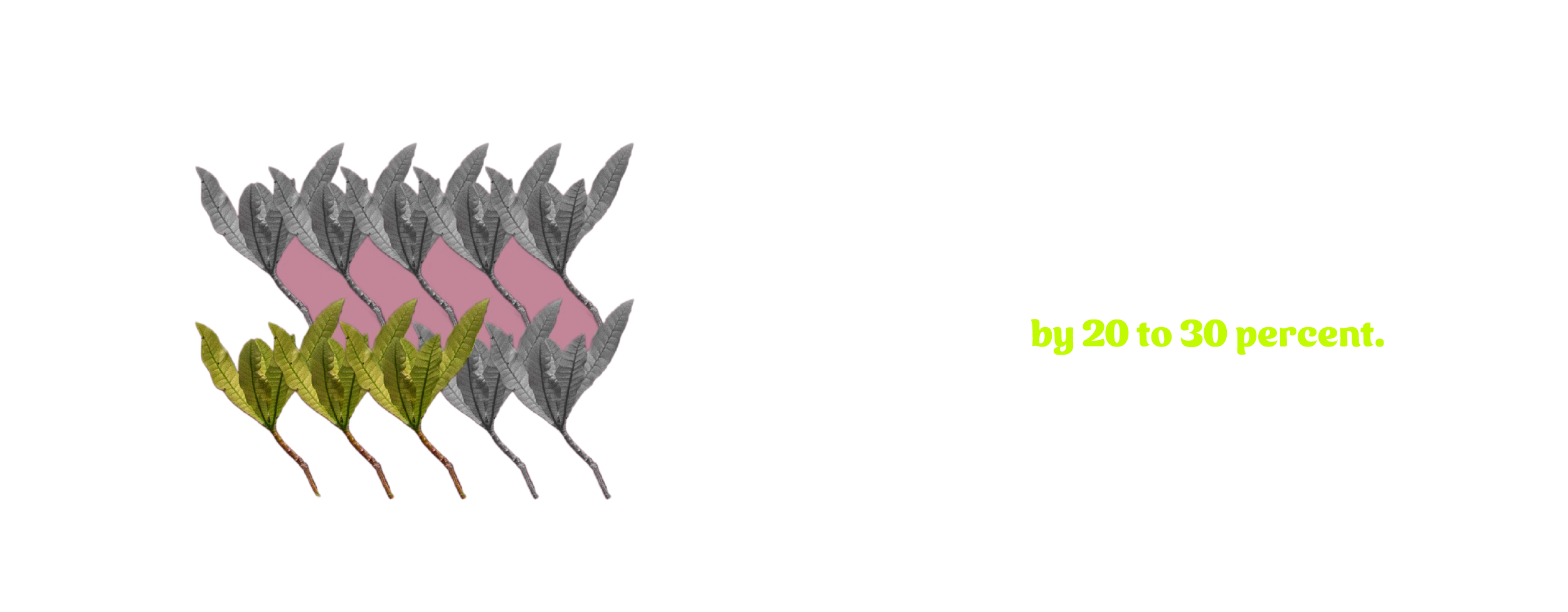
Gender equality in the food sector is not just about participation, but about results. When women have equal access to resources, training and markets, yields can increase by 20 to 30 percent, significantly contributing to the reduction of global hunger.
But the effects do not stop in the field. Higher yields lead to higher incomes, and higher incomes give women greater economic independence, more power over their own lives and better living conditions for their families.
At the same time, food and agriculture are powerful tools for gender equality by giving women a seat at the table in farmer owned businesses, boards and local decision making processes. Research from World Bank and UN Women shows that gender equality in agriculture contributes to more resilient food systems, higher overall value creation and stronger resistance to crises such as climate change and price shocks.
Food as a driver of gender equality
Strengthening women’s role in food systems is not only about women. It is about food security, development and future opportunities for entire communities.
When women have equal opportunities in food production, more than food is created.
Food is a powerful driver of gender equality.