
Strengthening Women’s Livelihoods through Collective Action
Juhudi Mtamba Women’s Group’s journey within the Inclusive Rice Value Chain Project demonstrates how determination, collective decision‑making, and long‑term vision can translate agricultural participation into meaningful livelihood improvements for rural women.
The group was initially formed by 18 women who shared a common goal of improving their economic wellbeing through rice farming. From the outset, members faced demanding conditions. Collective production required frequent farm visits and, during peak periods, members stayed on farms to protect crops and manage their productive time better, as the majority live far from the farms. This level of commitment tested the group’s resilience.
As the workload and expectations became clearer, five members chose to withdraw, leaving a smaller but highly dedicated group. Those who remained demonstrated strong commitment and cohesion, choosing to persevere despite the challenges.
At the end of the first season, the group harvested and distributed their earnings among members. While this marked an important achievement, it also led to critical reflection. The women realized that when profits were divided immediately, individual earnings remained too low to significantly improve living conditions. Rather than becoming discouraged, the group used this experience to rethink their approach.
Driven by a shared vision of improving their livelihoods, the women agreed to reinvest their collective earnings in future seasons. They made a deliberate decision to prioritize long‑term asset building over short‑term consumption. The group committed to using their joint income to construct durable, decent houses of a similar standard, improving safety, dignity, and overall living conditions for each member.
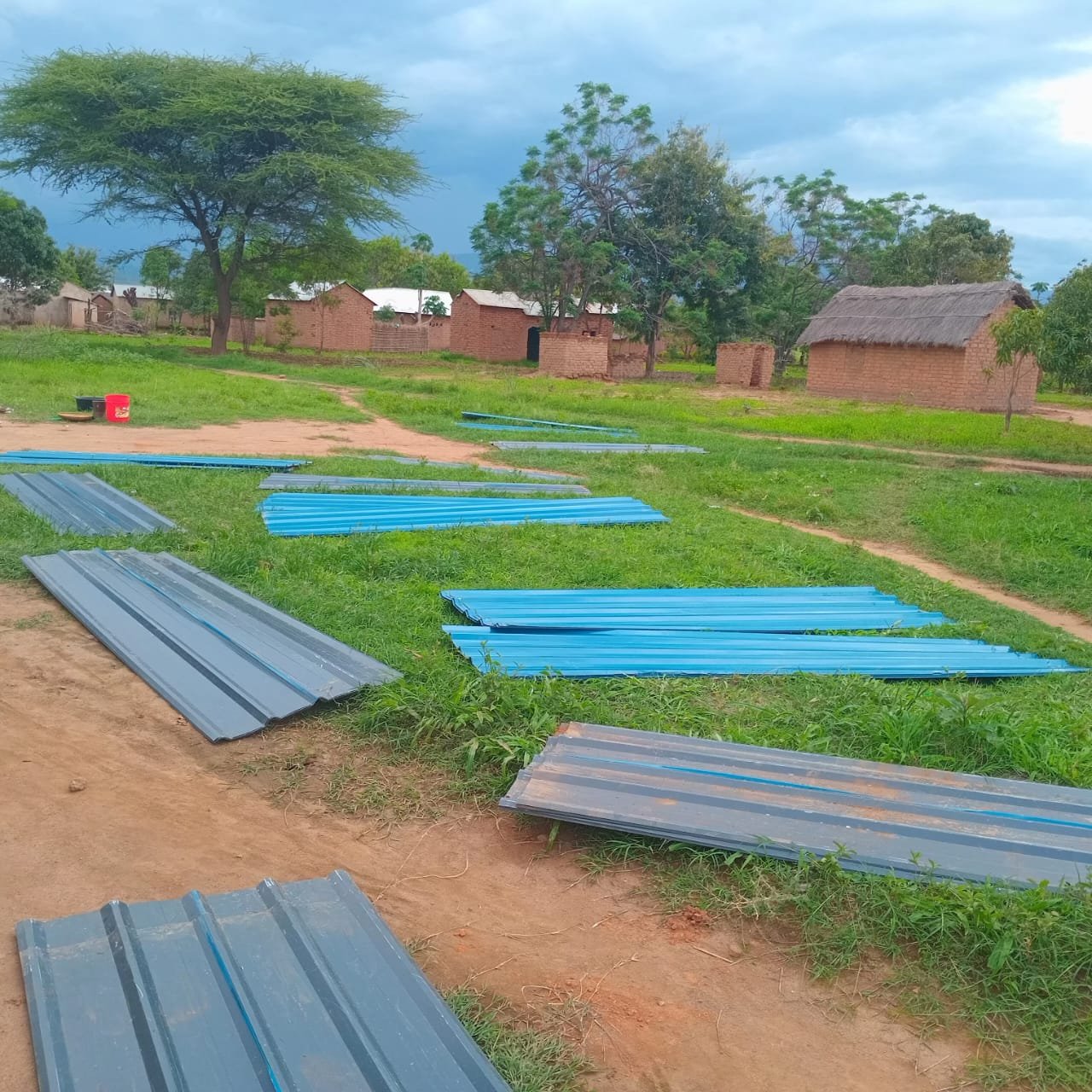
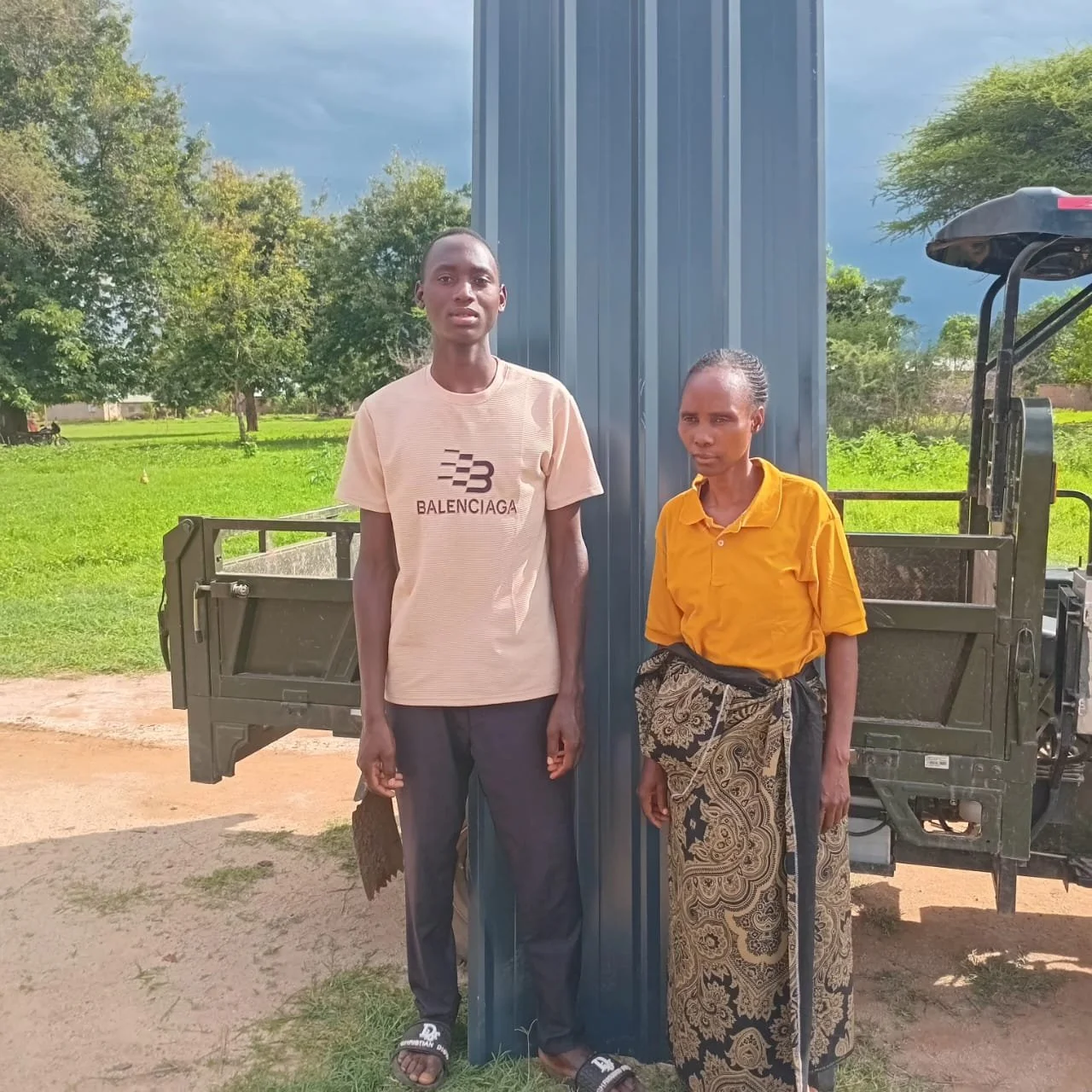
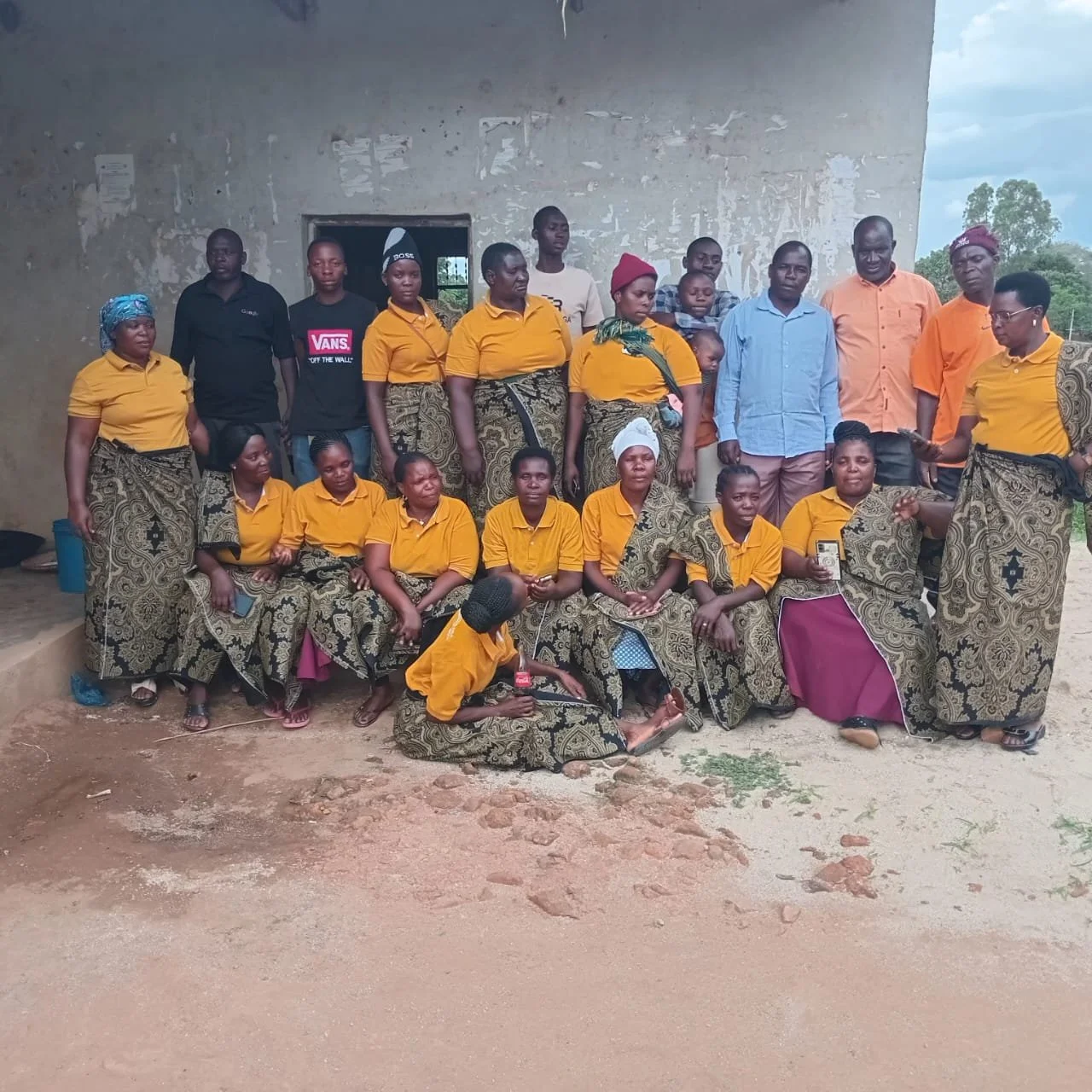
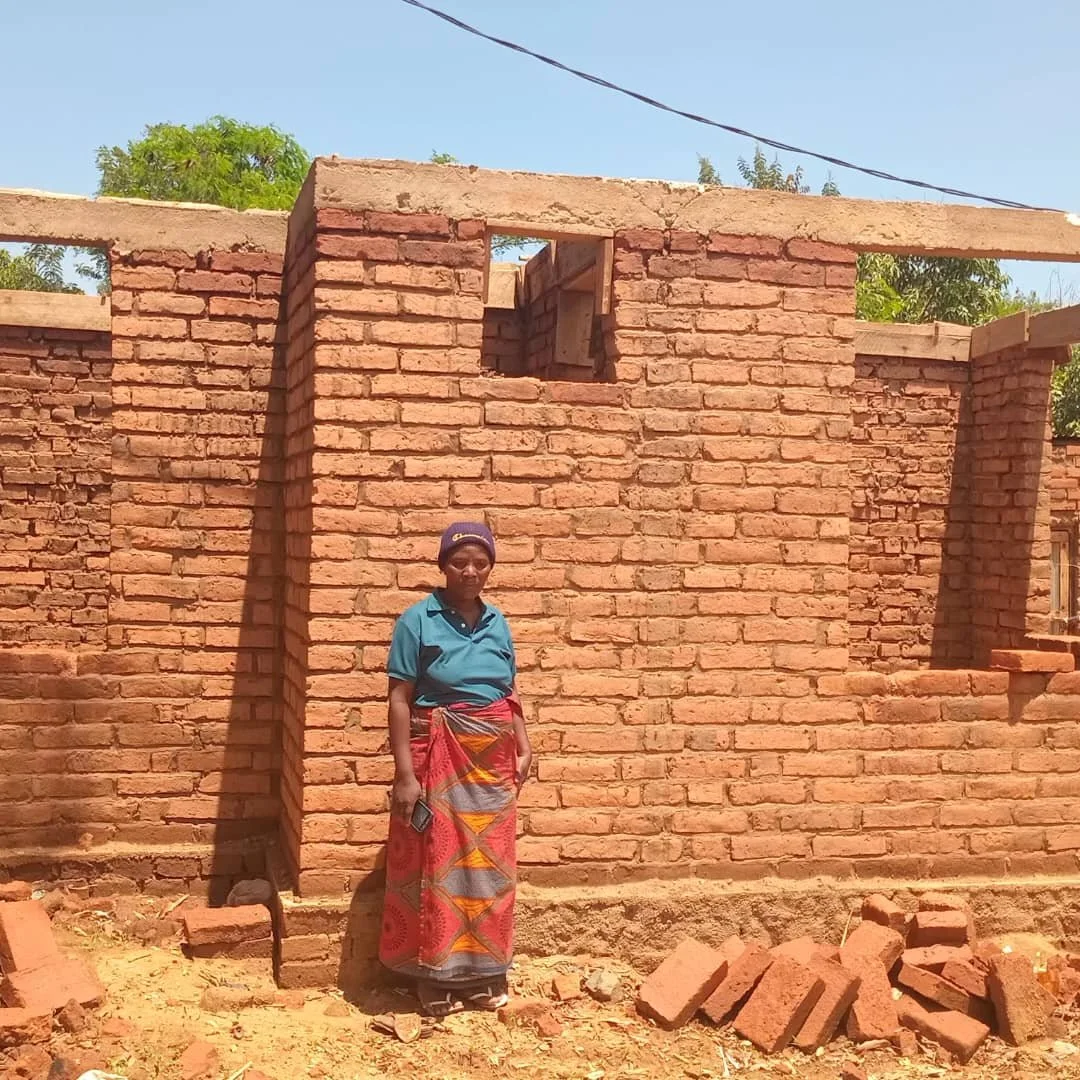
A defining moment came when the group distributed iron sheets as part of their housing plans. On this occasion, husbands accompanied the women to show support—signaling growing recognition and support for women’s economic leadership within their households. This moment reflected how women’s collective economic engagement is contributing not only to improved incomes, but also to shifting perceptions and strengthening women’s roles in household decision‑making.
Today, Juhudi Mtamba Women’s Group stands as a strong example of how women‑led collective farming can move beyond subsistence toward sustainable livelihood improvement. Their experience highlights that inclusive value chain approaches are not only about increasing production, but about building resilience, strengthening agency, and enabling women to invest in lasting improvements to their lives and communities.