
Food affects the climate.
Climate affects the food.
Climate change is making food production increasingly difficult.
Droughts, floods and unpredictable rainfall threaten crops and incomes for millions of people around the world. At the same time, food systems account for a significant share of global greenhouse gas emissions. That is why we must talk about food when we talk about climate.
But food is not only part of the climate challenge – it is also part of the solution.
As the climate changes, food production must adapt.
In most countries, food production depends on stable weather conditions. In recent years, many farmers have experienced how changing climate patterns create new challenges for agriculture. When weather becomes more unpredictable, harvests become less reliable, affecting both food availability and opportunities for stable incomes.
Without adaptation, climate change can lead to lower yields, increased poverty and more people living with food insecurity. With the right measures, the opposite can happen.
Climate-resilient food production makes it possible to produce more food in a more sustainable way, even in a changing climate.
Climate-resilient food production strengthens both climate action and food security.
Climate-resilient food production is about providing farmers with the tools they need to manage climate risks and make informed decisions – today and in the future.
This includes, among other things:
Access to climate information and practical advice that enables better planning of planting and harvesting, and more efficient use of inputs.
Financial tools, such as insurance and climate finance, that reduce risk and make investments possible.
Diversity in production, which spreads risk and makes harvests more stable.
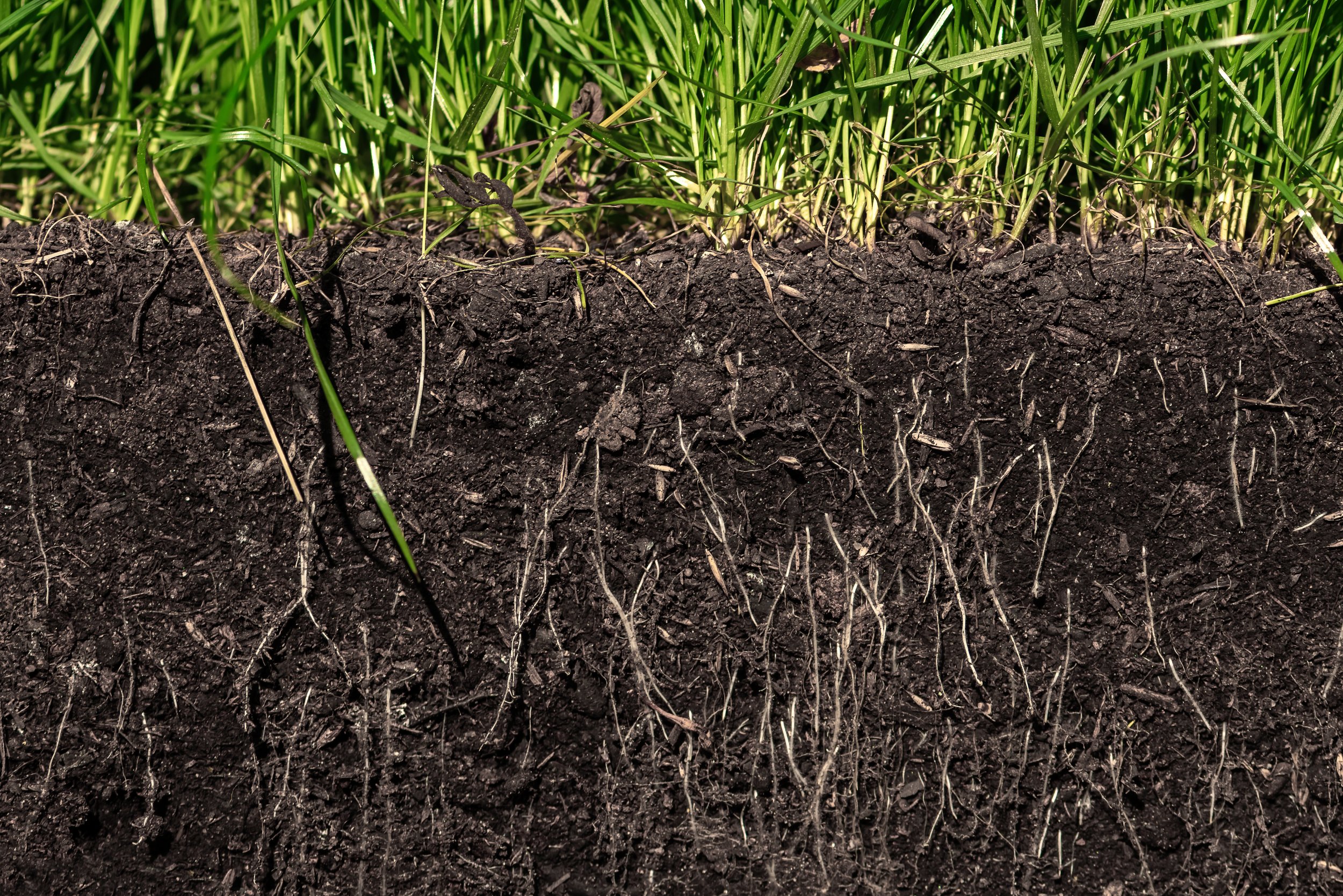
Healthy soils that retain water and nutrients, even during droughts and floods.
Trees and biodiversity that protect crops, improve soil health and capture carbon.
In this way, food production can both adapt to climate change and contribute to reducing emissions.
From climate risk to climate solutions
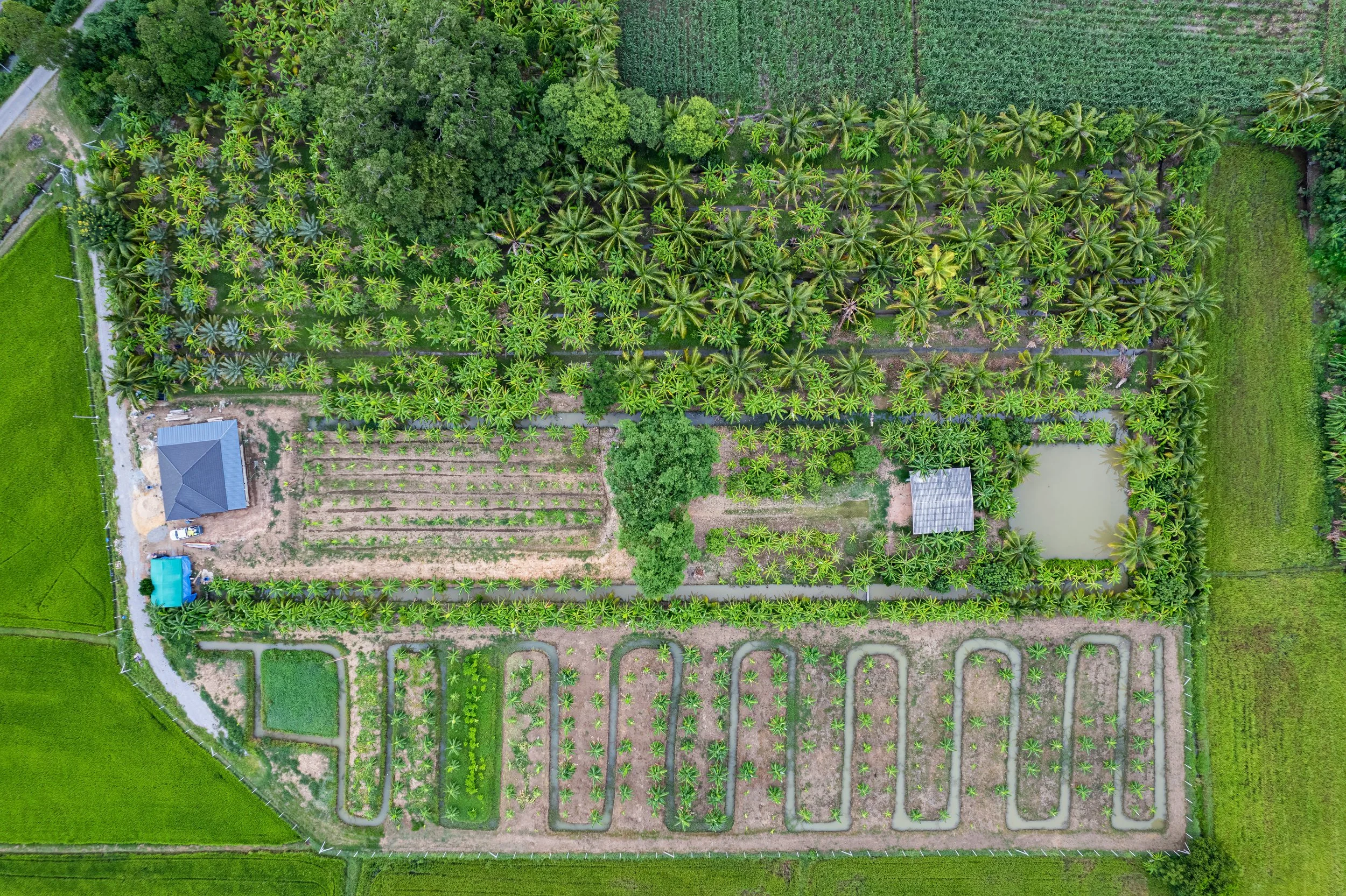
When farmers have access to the knowledge, tools and enabling conditions needed to produce food in a climate-resilient way, the benefits extend far beyond the field. Harvests become more stable, incomes more secure, and communities better equipped to face the future.
Investing in climate-resilient food production is therefore not only about the environment.
It is about food security, livelihoods and resilience.
Because in the face of climate change, food is more than food.
Food is part of the climate solution.